March News Roundup
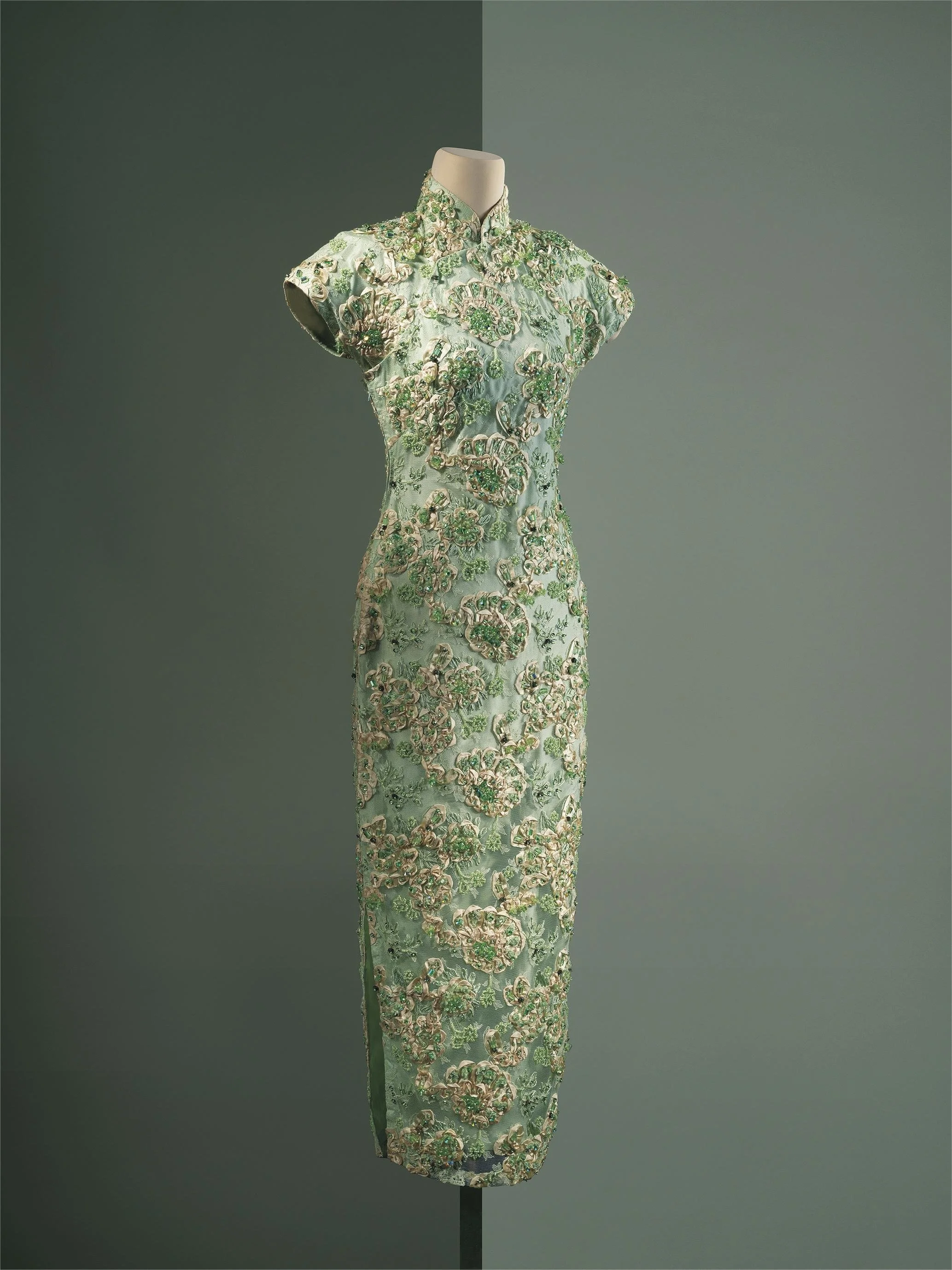
Pale green mesh qipao with floral bead-and-ribbon embroidery, 1940-1950s. Collection of the Shanghai Museum.
1.
If you’ve ever watched a movie set in Shanghai during the first half of the 20th century—In the Mood for Love, Lust, Caution, The Flowers of War—you’ve seen how essential the iconic qipao (or cheongsam in Cantonese) is to creating the look of the period. The dress silhouette, which was developed between 1910 and 1920 and worn all the way through the 1960s, famously melded traditional Chinese elements with Western simplicity to create a look that was both radical and timeless. As a study in cultural synthesis, the qipao represents the first time Chinese fashion looked inward to redefine its own "modernity" rather than just copying European trends. To showcase the importance of the garment in Chinese culture, the Shanghai Museum has curated its first large-scale thematic fashion exhibition on the evolution of the qipao. Learn more about the exhibition here and here.
2.
While fashion marketing departments have been cautiously experimenting with generative AI, the one area the technology is making its most significant impact is inventory optimization. When paired with a make-on-demand model, AI can slash unsold end-of-season stock to under 10%, compared to the 20–40% industry average. The benefits not only extend to end-of-season stock levels but also translates to less up-front costs for brands. It’s a colossal issue for fashion: According to a report by Noatum Logistics, roughly 20% of the clothes produced annually never reach a consumer, generating a staggering $140 billion in unnecessary stock. As fashion tries to curb both its excess inventory and overconsumption issues, AI is proving to be an essential tool for at least one of these problems. Find out more about the AI inventory shift here.
3.
A new generation of independent menswear labels from Delhi, Jaipur, and Gurgaon—including Kartik Research (fresh off its Paris debut), HARAGO, and Kardo—is redefining "Made in India.” Their work is globally relevant but rooted in centuries-old craftsmanship: think understated cuts paired with hand-loomed textiles, traditional dying techniques, and kantha stitching, a historic Bengali technique typically used to create beautiful layered quilts. As these designers explore homegrown materials and craftsmanship, they are simultaneously actively pushing back against Indian stereotypes and cultural tropes frequently assigned by the West. By focusing on homegrown materials and local supply chains, they aren't just creating beautiful garments, but sustaining local craftsmanship and know-how as well. Discover more about Indian menswear here.
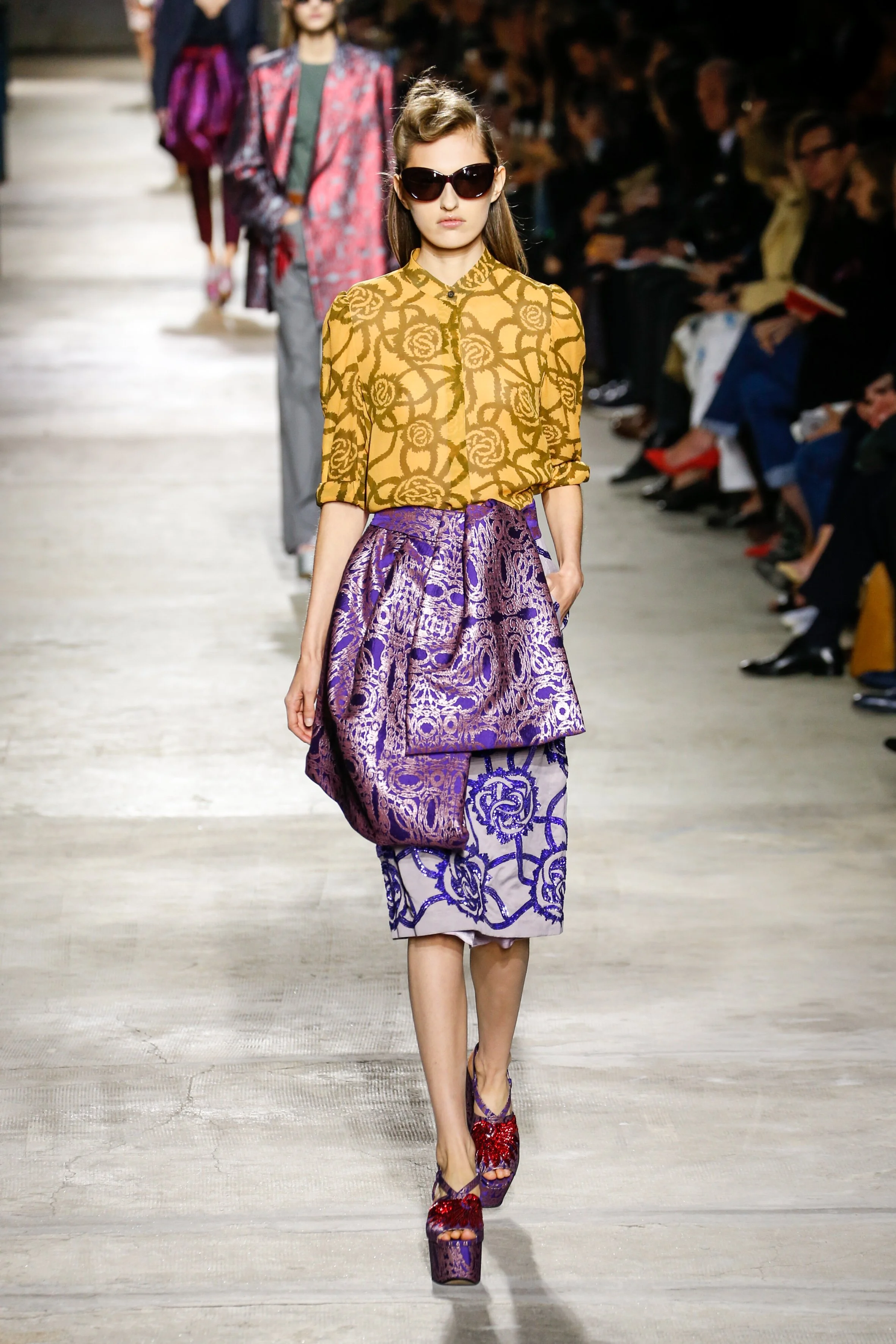
Dries Van Noten Spring/Summer 2016. Photo courtesy of FashionStock.com / Shutterstock.
4.
It’s spring, which means it’s the start of blockbuster fashion exhibition season. There’s Elsa Schiaparelli at the V&A, the UK’s first retrospective of her surrealist legacy, the Met’s highly anticipated Costume Art show opening in May, and, possibly best of all, MoMu’s exploration of The Antwerp Six. The Six— Dirk Bikkembergs, Ann Demeulemeester, Walter Van Beirendonck, Dries Van Noten, Dirk Van Saene and Marina Yee—all trained at the fashion department of Antwerp’s Royal Academy of Fine Arts and, along with Martin Margiela, gained international recognition for Belgian fashion. The MoMu exhibition explores how a supportive local ecosystem can turn a small group of students into a global cultural force, and traces the lasting influence and individual design philosophies of each designer. It also invites audiences to reflect on how to nurture new talent today and consider what place fashion occupies in our culture. Explore the exhibition here and here.
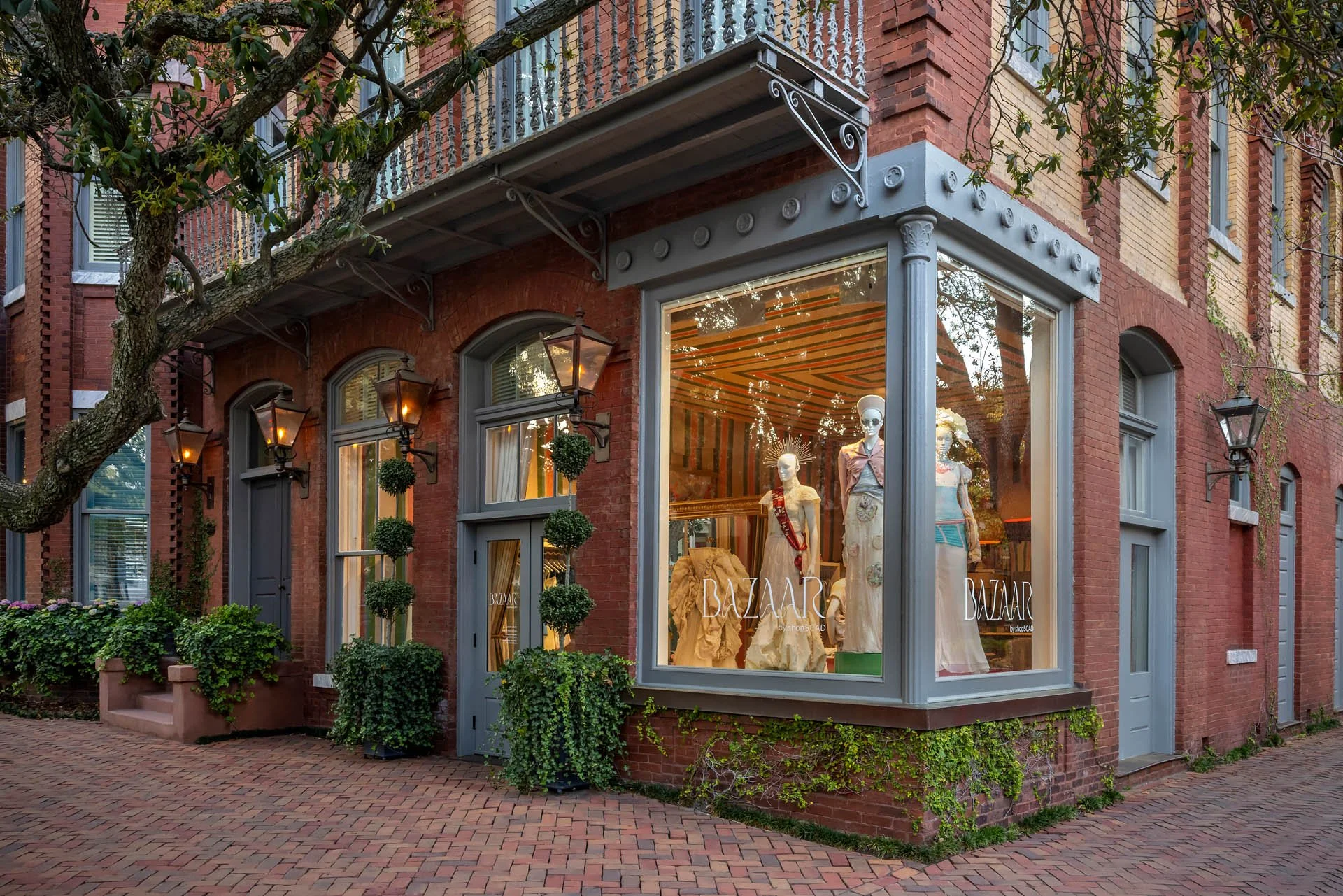
Bazaar by ShopSCAD.
5.
One of the complaints about fashion programs is that they teach design but ignore the business side of the industry. Well, the Savannah College of Art and Design is looking to change that situation by opening BAZAAR by shopSCAD. The retail concept stocks a limited-run and one-of-a-kind garments, jewelry, accessories, and objects created by both students and alumni. By giving students the opportunity to hone their selling and marketing skills in a real boutique environment, SCAD is solving the industry's biggest talent gap. It’s a boutique concept that should serve as a retail model for fashion and design schools nationwide. Read about BAZAAR by shopSCAD here.
Editor’s Note: This is just a reminder that the CFDA/Vogue Fashion Fund application for 2026 is still open. The winner of the award along with two runners-up will take home cash prizes, and all finalists receive business mentorship opportunities. To be eligible, designers “must be in business for a minimum of 2 years. Their primary business must be based in the United States, should have no more than thirty full-time employees, and not exceed a total revenue of 10 million dollars per year.” But time is running short; the submission for Phase I of the application process closes this Friday, April 10 at 11:59 PM.
Photograph of Miss Ruan Lingyu. Author unknown (1930s).