In the fashion industry, independent luxury and emerging brand stewards face an ongoing dilemma: as a label grows, it reaches a point where senior-level strategic guidance becomes essential, yet taking on the burden of a traditional corporate executive team is neither practical nor sustainable.
This challenge has fueled the rise of the fractional executive. While the role originated in the tech startup ecosystem, its principles apply directly to fashion labels looking to scale with intention.
What is a Fractional Executive?
A fractional executive is an experienced C-suite leader—think Chief Finance Officer, Chief Marketing Officer, Chief Merchandiser—who works for a company on a part-time, flexible, or contract basis. Unlike a traditional management consultant, who typically analyzes a business from a distance, delivers a diagnostic report with recommendations, and moves on leaving the internal team to figure out how to execute it, a fractional executive embeds directly inside a company. Their job is to lead internal teams, make executive decisions, and own the outcomes. In short, they function like a member of the company, so their advice and decisions are made with the best intentions for the brand instead of a consultant’s clinical observations and suggestions.
Fractional executives typically work for a single brand anywhere between a few days a month to a set of flexible weekly hours, depending upon what the company needs. The benefits for scaling brands are that a fractional executive gives direct access to senior C-suite talent— the know-how, processes and playbooks of leaders who have worked for companies where they have already experienced a diverse range of challenges and opportunities—without the expense of a salary and benefit package or the long onboarding process. It also allows an emerging label to scale its leadership team as the business evolves, allowing for greater flexibility.
Why I Chose the Fractional Model
Many traditional fashion merchandisers approach collection building strictly through focusing on category ratios, historical sell-through data, and spreadsheet grids. Essentially, their approach is an exercise in arithmetic. But data only reflects where a business has been; it cannot project where a brand universe needs to go.
My work merges commercial line architecture with an editor’s curation, styling eye, and narrative direction. In short, I understand the analytical side of the job, but also speak the creative language of storytelling, collection building, and brand aura. Without the editor's eye, a line plan is just a list of products; with it, it becomes a desirable collection.
Becoming a fractional executive allows me to work hands-on with brands, shaping product, refining processes, and guiding collections through to their final execution on the retail floor rather than handing off a report and hoping for the best.
The Future of the Lean Luxury House
While fashion conglomerates continue to operate within multi-layered hierarchies, the future for independent luxury belongs to leaner, more agile organizations. For brand stewards building an external advisory team, the goal is finding a partner who has both commercial savvy and creative intuition, someone who can analyze data and grow sales while respecting the brand’s DNA. For a scaling label that needs high-level direction without the expense of a traditional corporate leader, fractional executive stewardship is exactly what the business needs.
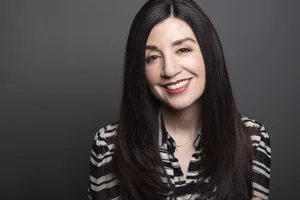
Image courtesy of Alina Bordunova.