September News Roundup

Ralph Rucci “Stingray Swan" Evening Dress, Chado, Ralph Rucci, Spring-Summer ready-to-wear collection, 2001. Philadelphia Museum of Art. Photo courtesy of Laura Blanchard.
1.
Years ago during New York Fashion Week, I had the privilege of attending a master class taught by Ralph Rucci—a rare encounter with an American couturier who possesses both technical mastery and uncompromising standards. That same commitment to his craft makes his Instagram account required reading today; having begun his career under Halston, Rucci offers sharp observations on 1970s New York society alongside an unfiltered critique of modern fashion's commercial state.
Despite Rucci’s notoriously strained relationship with Vogue and the magazine’s near-total omission of his work, his legacy is now permanently secured. Garments from his haute couture and ready-to-wear collections—alongside thousands of original sketches, patterns, fabric swatches, and photographs—have been gathered under one roof as part of the Cornell Fashion & Textile Collection, ensuring his work continues to inspire the next generation of designers. Explore the Ralph Rucci Archive at Cornell here.
2.
Surface magazine had several good interviews with designers this past month, but the two standouts for me were ones that highlighted why master artisans remain the true heartbeat of luxury houses. Ramesh Nair is a ready-to-wear trained designer who worked under both Martin Margiela and Jean Paul Gaultier at Hermès and is now tasked with revitalizing the dormant heritage leather house Joseph Duclos. In this interview he discusses his vision for the house and how artisan-first design is leading its renewal.
A similar idea is expressed by Sabyasachi Mukherjee as he reflects on his Spring 2027 ready-to-wear show, his first presentation in NYC since 2006. In it, Sabyasachi merged maximalist Indian craftsmanship with an irreverent New York energy. But the show also included the debut of his first collaboration with The Metropolitan Museum of Art: an extraordinary high jewelry collection inspired by The Met’s Byzantine holdings. As Sabyasachi emphasizes, whether engineering a complex garment silhouette or carving raw metal for his Byzantine-inspired jewelry, the true genius belongs to his karigars—the master craftspeople in India whose technical problem-solving brings these worlds to life.
Discover the worlds of Ramesh Nair and Sabyasachi Mukherjee.
3.
As fashion brands continue to use “vegan leather” and other man-made materials as replacements for natural fibers, founder and creative director Sarah Maria Gutiérrez is charting a more responsible path with her brand Îacaré’. Drawing on her Bolivian-Brazilian heritage, Gutiérrez crafts luxury handbags from caiman leather sourced from her own traceable and certified farms. Her business model pairs animal welfare and circular conservation with dignified local employment, offering a blueprint for how exotic leathers can support ecosystems rather than deplete them. Learn more about Îacaré’ here.
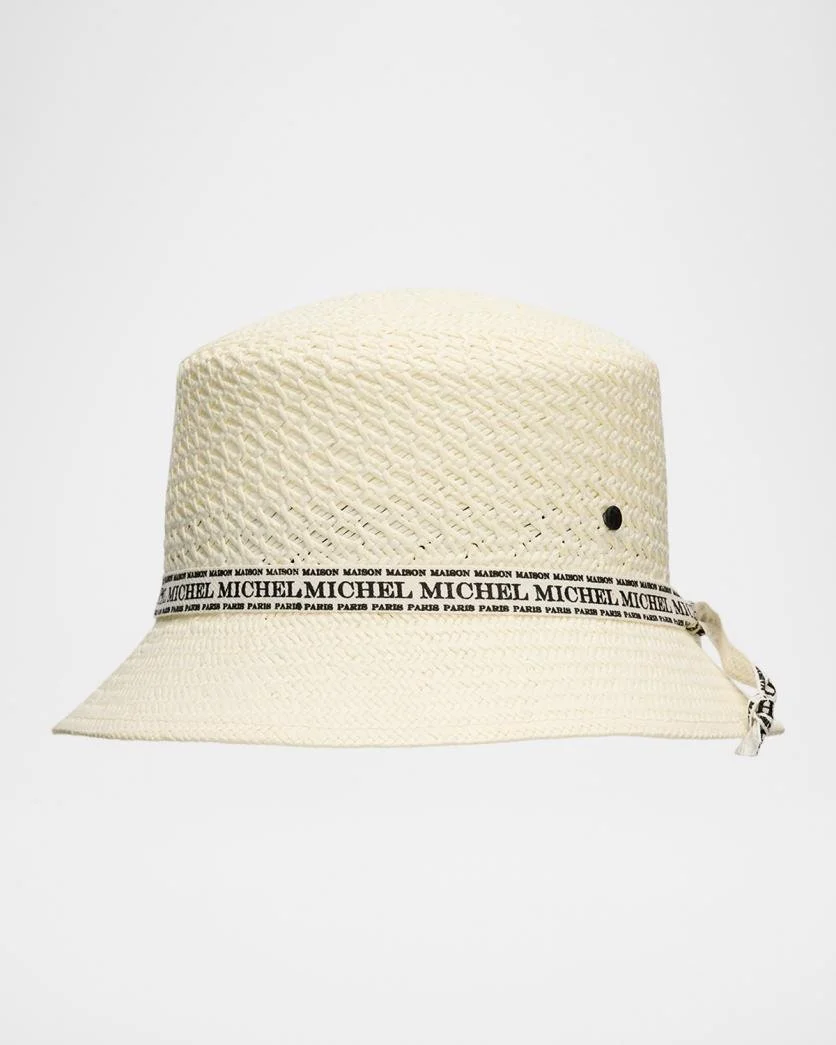
Maison Michel “Axel” Rollable Straw Bucket Hat, Neiman Marcus.
4.
Hatmaker Maison Michel may not be a household name, but it is a vital star in Chanel’s 19M constellation of heritage craft ateliers whose know-how is actively protected. Founded in 1936, the legendary milliner is responsible for the exquisite headwear that graces haute couture runways, keeping the delicate, centuries-old art of hatmaking alive in the modern era. A new exhibition in Paris, titled Metamorphoses, takes visitors behind the scenes of the house’s headwear creation, detailing the specialized roles that bring a piece to life, from the blockmaker shaping raw forms to the milliner executing final hand-embellishments. Go inside the Maison Michel exhibition here.

Model wearing the "Modern Cuff" Bracelet, Art Smith, designed ca. 1948. Brooklyn Museum.
5.
While the bold, geometric jewelry of the 1970s is widely recognized, its modernist roots belong significantly to Art Smith. Smith, who considered jewelry an extension of sculpture, crafted organic, sensual pieces that were ahead of their time both in structure and materials. In a new monograph published by the Smithsonian, Bodyworks: The Jewelry of Art Smith, lovers of jewelry and Smith’s work can learn more about the designer’s life, influences on his designs, and his lasting legacy on American jewelry. Find out more about Art Smith here.