The Desirability Deficit
As the Spring 2027 collections wrap in Paris, fashion media and market observers have looked at hundreds of shows and presentations over a four-week period. While seasonal commentary tends toward calling out favorite looks and trends, the real question the industry should be grappling with lies deeper. Amidst this flood of product, what have you seen that truly connected with you emotionally? What is the one item you saw and thought, “That is exactly what my closet needs.” In short, what have you seen that is desirable?
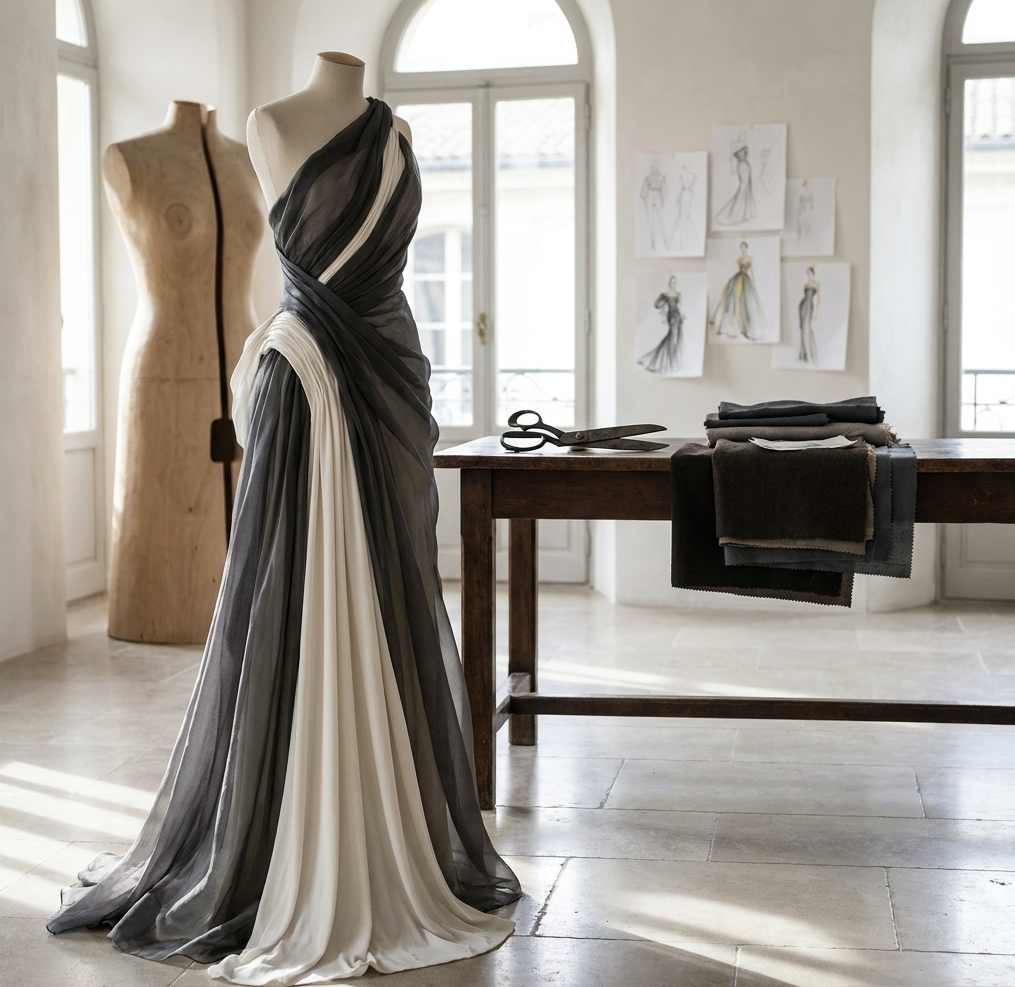
I think the last time a designer truly drove desirability for me was Alber Elbaz during his tenure at Lanvin. From his romantic, Grecian draped evening dresses with flowing skirts and unexpected harness details to his statement accessories, like the iconic, tulle-wrapped pearl necklace, Elbaz transformed classic, ladylike wardrobe staples into modern, wearable objects women were obsessed with. His work achieved that rare balance of resonating with clients, as well as carrying editorial creditability.
All of this begs the question: What truly drives desirability?
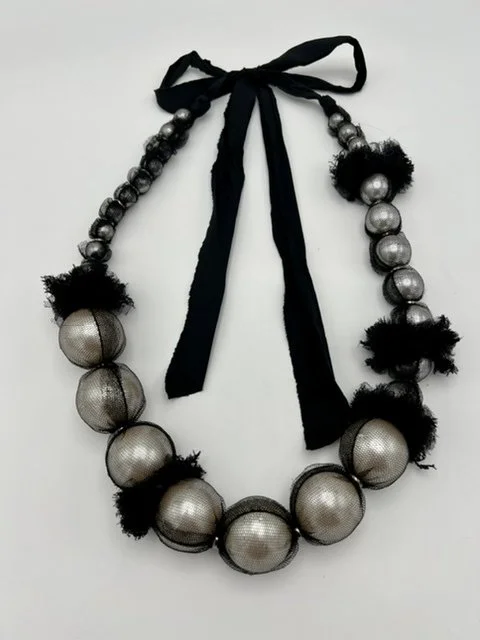
Lanvin Tulle-Wrapped Pearl Necklace, Fall 2002
Start with the Product
Great product is the starting point for any luxury brand and its primary reason for existing. But excellent materials, refined craftsmanship, and technical quality no longer distinguish a brand— they represent the entry-level expectation of the client.
Which is why when a house designs through merchandising grids to fill shelf space or rushes unrefined product concepts to chase social media trends, it fails to build long-term brand equity. Producing product in volume or offering a product line that has not been completely thought through does not create an emotional connection with clients, but instead comes off feeling like a gimmick.
Company executives need to support the creative studio’s vision. While pre-collections can serve to offer women a range of options, including evergreen product and wardrobing staples, the runway should remain the current creative director’s vision and point of view for the brand.
And this is where a change in creative director can create real problems. A good example is Kering, whose portfolio of brands has had mixed performances. It seems some of the conglomerate’s labels have attempted to incorporate design elements from prior creative directors into new runway shows and, in the process, diluted the brand’s direction like at Balenciaga and Gucci. By contrast, Louise Trotter’s clean break at Bottega Veneta has established a fresh exploration of the house’s core design codes, and it has been to her advantage, as it has outperformed the entire Kering portfolio.
Strategic Storytelling
Desirability is both psychological and emotional, and it thrives on distance and mystery. When a brand treats storytelling as a constant stream of digital content, it eliminates the space required for desire to take root, turning luxury objects into commodities. Strategic storytelling builds desire not by shouting louder, but through editorial restraint, offering just enough narrative direction to spark imagination and crave what comes next.
This is why brand stewardship requires cohesive and selective communication with audiences. A house’s narrative needs to articulate a distinct point of view, because without clear differentiation, clients have no way to measure a brand’s value. The Row is a good example of this approach: by choosing to limit its advertising and social media presence, the house turns marketing moderation into its most powerful asset, proving that in a hyper-connected world, restraint itself is the ultimate luxury.
Designing for the 'Someone'
I have mentioned this before in articles for Foundational, but it bears repeating: If you’re not designing with a specific customer in mind and from a distinct point of view, you are not designing for anyone. Cultivating customer desirability requires making definitive choices that attract a specific audience rather than attempting to satisfy the broader market.
A good example is luxury market leader Brunello Cucinelli. The brand’s DNA and product philosophy is aligned across every touchpoint of the company, from its production facilities in Solomeo, Umbria, Italy to its quiet boutique environments and even digital presence. Every single element exists to reinforce the high-touch, human quality of the brand. Because its core product offering never wavers to chase current trends like all-over logos or streetwear, the client understands precisely what Cucinelli represents: timeless knitwear and elevated tailoring crafted by expert Italian artisans.
And the numbers prove that the brand’s approach is working. In the first half of 2026, Brunello Cucinelli posted net revenues of €749.4 million—a double-digit surge that comfortably outperformed its luxury peers. While major conglomerates faced cooling demand across key regions, Cucinelli recorded double-digit retail growth across every global market, prompting management to raise full-year growth targets to 10%–11%. The message is clear: when a house respects its core DNA, clients reward it with loyalty.
Creating Enduring Value
Desirability cannot be engineered through production volume or marketing spend alone. When a luxury brand trades desirability for reach, its business is vulnerable as soon as market demand cools. It’s why existing in the market is not the same thing as offering a compelling reason to exist. For a house to instill genuine desire requires singular product, an uncompromising point of view, and clarity on who it is creating for.
Cover image: Lanvin Spring 2011.