July News Roundup
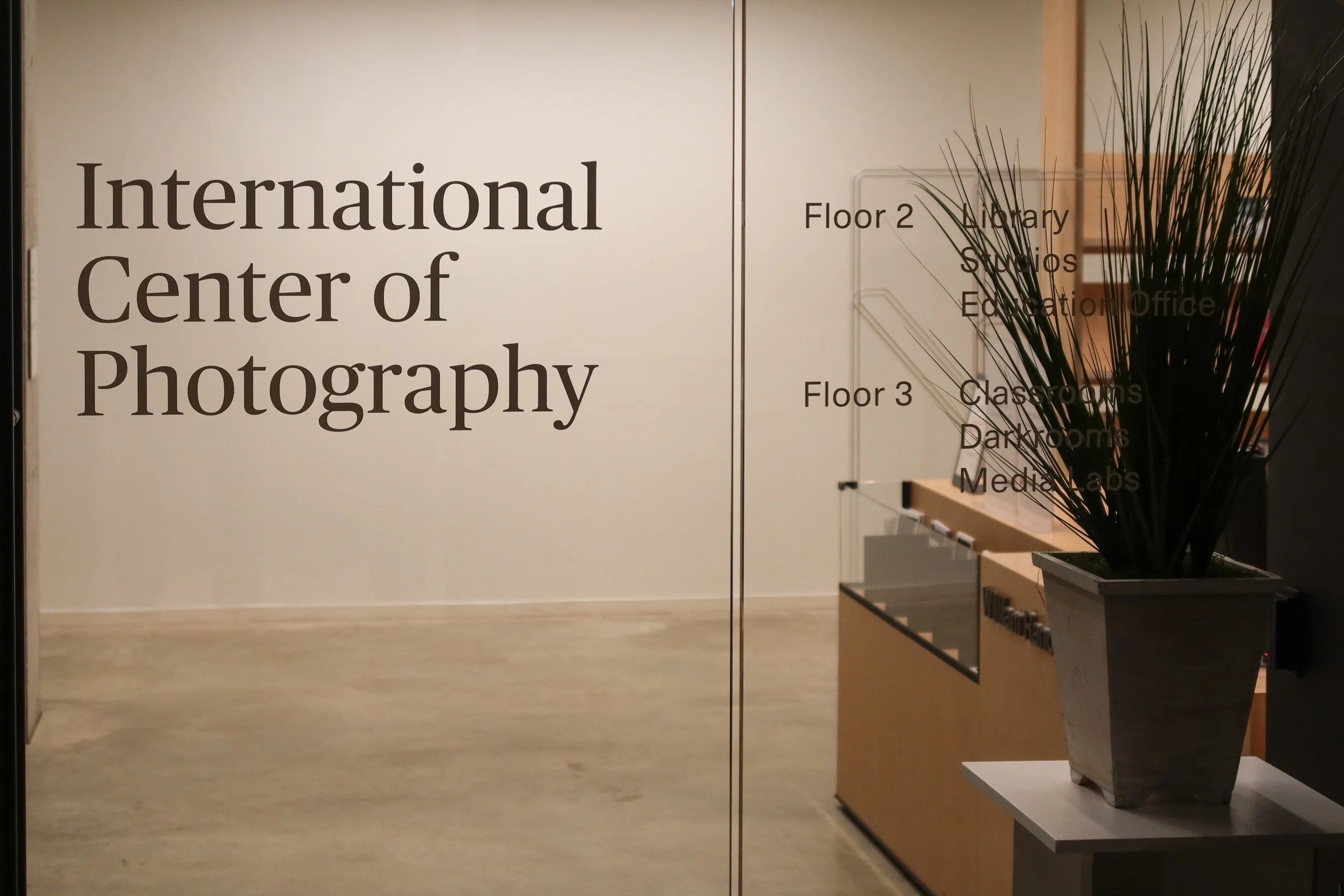
The International Center of Photograph. Photo courtesy of Picturesque Japan/Shutterstock.
1.
The photobook is one of the most powerful formats for artists of any genre—fashion designers included—which is why it is the subject of a new exhibition at New York City’s International Center of Photography. With “Photobooks USA 2000-25,” co-curators David Campany, Sara Ickow, and Malaika Newsome brought together more than 50 photobooks to show how photographers and artists have used the format to shape conversations concerning every aspect of American life, from social and cultural movements to political and environmental shifts. Unlike most art shows where the art is displayed behind glass or on a wall, this exhibition encourages viewers to interact with the tomes and spend time with them to inspire a sense of discovery. The exhibition is on view through September 28th. Learn more about photobooks here.
2.
From the macro format of photobooks to illustrator and artist Makitoy, known for her drawings and paper cut-out works that she then assembles into micro-collages. Her subject matter focuses on the natural world, taking plant themes and simplifying their shapes and colors into minimal linear compositions. Through the daily act of capturing these transient moments in her art, Makitoy observes even subtle shifts in the visual world around her. Explore the work of Makitoy here.
3.
Minimalism also continues to be a source of inspiration in the world of furniture design. Like any fashion industry professional, I am always excited when I hear the name Jil Sander—the woman, not the brand—mentioned as part of a project. Last month it was announced that Sander’s collaboration with German furniture manufacturer Thonet had expanded to include a new JS Thonet lounge chair and colorblock table. Both are elegant additions to the collaboration which began in 2025 between the furniture brand and former fashion designer. Like her fashion collections, which defined modernity through sophisticated minimalism and proportions, her work for Thonet reinterprets classic Bauhaus designs by Mart Stam, Marcel Breuer, and Ludwig Mies van der Rohe for contemporary living. Discover the collaboration here.
4.
While Sander reinterprets historic Bauhaus design, fashion creatives in the Ivory Coast are reworking traditional African clothing silhouettes and techniques. Abidjan in the Ivory Coast is one of Africa’s leading fashion hubs, and designers based in the metropolis are gaining international visibility with distinctly African-inspired luxury garments. With an expanding middle class across the African continent and greater international recognition due to social media, demand for African fashion items is set to rise by 42 percent in the coming decade, according to UNESCO. These designers are ready to capture the market through their exploration of traditional techniques, from fabric weaving to handbeading and embroidery. Read up on the Ivory Coast fashion scene here.
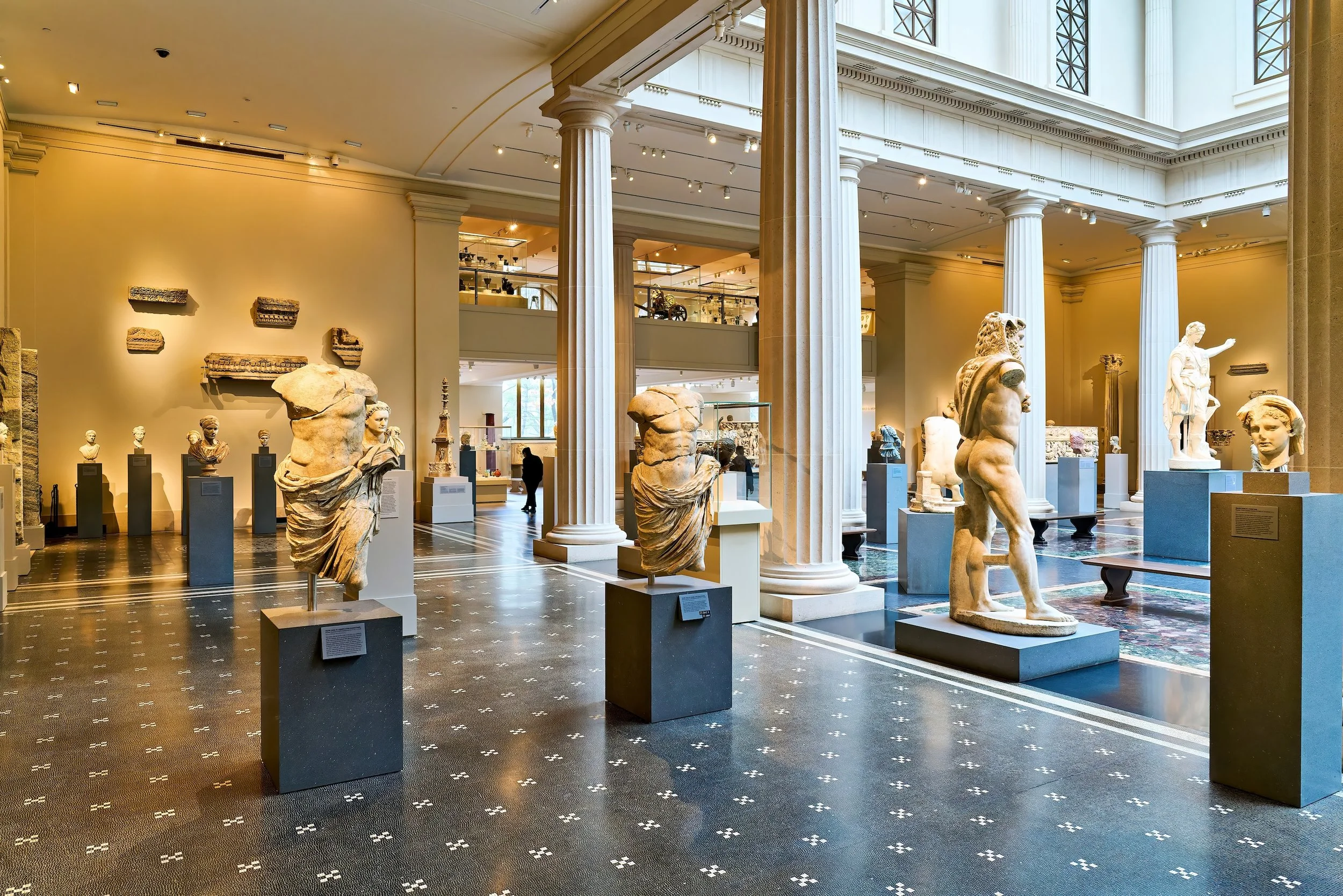
The Metropolitan Museum of Art Leon Levy and Shelby White Court Greek and Roman Galleries. Photo courtesy of MB_Media/Shutterstock. The Met has had to return artifacts to several countries including Italy, Cambodia, and Indonesia.
5.
Heritage and its safekeeping is central to so many cultures and institutions these days, especially with the antiquities scandal that has been plaguing the world’s major museums. Hyperallergic has been a standout this past month for their in-depth coverage dedicated to antiquities trafficking. If you have not been keeping up, The Met has so far had $95 million in antiquities seized from their collections and repatriated to their country of origin. This includes three archeological objects that were repatriated to Mexico just this past July per the Manhattan DA’s office. One gallery at the center of the antiquities trafficking scandal is in Arizona, Phoenix Ancient Art, which claims the pieces it sells left their country of origin prior to export bans. However, that did not stop the Manhattan DA’s office from seizing a total of nine Phoenix artifacts from The Met, worth nearly $5 million, since 2021 alone. Learn more about antiquities trafficking in the links above.
Photo of the Three Graces at the Metropolitan Museum of Art courtesy of MB_Media/Shutterstock.