Shiseido’s Clean Beauty Gamble
The 154-year-old beauty giant Shiseido is one of the world’s oldest and most respected companies, but it is currently navigating a challenging period. Known for its high-margin prestige skincare and cosmetics, the Japanese multinational has seen its market value stagnate, trading at roughly a third of its 2019 peak. While its difficulties have been well documented in many beauty and business publications, I’m more interested in what has gone wrong from a brand perspective.
Much like our June analysis of Gucci, Shiseido serves as another "cautionary tale" of a corporate giant that lost its way by sacrificing brand DNA for market hype. In this case, we see how brand expansion, reacting to market trends, and trying to be "everything for everyone" can dilute focus and impact a company’s bottom line. This is why, at the core of Shiseido’s identity crisis is their 2019 acquisition of Drunk Elephant. Let’s break it down.
The Acquisition
When Shiseido acquired the trendy American "clean clinical" skincare brand Drunk Elephant for $845 million, it was with the intention of capturing Western Gen-Z and Millennial consumers. For those not familiar with the brand, Drunk Elephant became popular for products like its Protini Polypeptide Resurf Serum ($82) and Lala Retro Whipped Cream ($64), which appeal to younger consumers but kept the brand within Shiseido’s premium brand tier. By acquiring Drunk Elephant, Shiseido bought a brand that already possessed a hyper-local community and a clear point of view—something conglomerates look for when acquiring other brands, because it is easier to purchase authentic cultural relevancy than trying to engineer it.
In a tightening luxury market where consumers prioritize value and substance over generic hype, Drunk Elephant offered Shiseido quality and brand equity. It also offered Shiseido “clean beauty” leadership, which at the time, was the fastest growing segment of the prestige market. Drunk Elephant’s “biocompatible” ingredients and transparency came at a premium price point, which sat well within the Shiseido brand world while appealing to the next generation of skincare consumers.
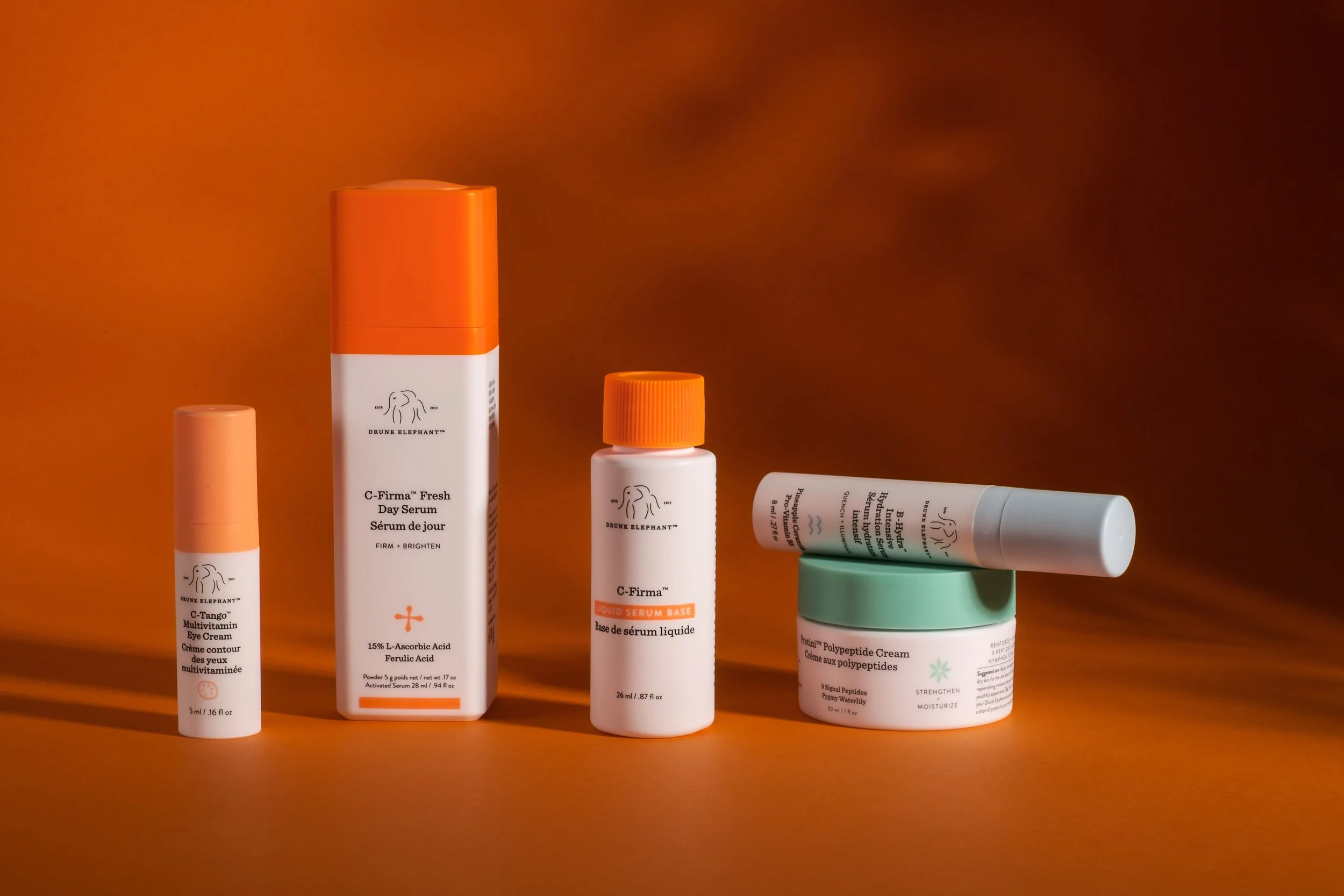
Drunk Elephant products. Photo courtesy of 22Images Studio/Shutterstock.
The Pain Points
However, things didn’t go as planned. As Clara Ludmir at Forbes explained it, “Once a cult brand and disruptor in the world of skincare, Drunk Elephant is an interesting case for what happens when a brand loses its voice and core audience and becomes untangled with short-lived viral exposure.” Problems started when Shiseido expanded Drunk Elephant’s ecosystem into body and haircare to grow the brand’s customer base and then jumped on the “Sephora kids” trend, which backfired. Not only did the tween audience likely push away the brand’s traditional customer base, but it also negatively impacted the brand. By chasing a specific demographic that was trending at the time, Shiseido swapped long-term loyalty for a fleeting trend and in the process diluted the Drunk Elephant brand. And the numbers bear this out; between 2024 and 2025, sales plunged 65%, and Shiseido was forced to write off more than half of their investment. Furthermore, the "clean beauty" market rapidly became oversaturated with cheaper, more agile competitors offering identical active ingredients at a fraction of the price.
Essentially, Shiseido is now having to spend money to recapture Drunk Elephant’s original, pre-acquisition audience.
The Brand Fix
To turn things around, Shiseido is now attempting to stem several years of net losses through aggressive cost-cutting, streamlining global production, and refocusing on high-margin prestige lines, like their crown jewel, Clé de Peau Beauté. In addition, the conglomerate is actively working to broaden Drunk Elephant’s demographic appeal beyond the "TikTok teen" crowd to stabilize the brand. Essentially, Shiseido is now having to spend money to recapture Drunk Elephant’s original, pre-acquisition audience. While these restructuring moves have begun to show positive signs, the company is still under pressure from investors to prove it can grow its revenue.
The Takeaway
Even a global giant can stumble when it fails to understand or recognize a brand’s DNA and demographic. Which is why independent and emerging brands should remember the following:
1. Hyper-Focus is a Super-Power
The ability to be "authentic, directional, and hyper-specific" is one of your greatest competitive advantages. It allows your brand to move faster and stay more relevant than the giant conglomerates. Shiseido’s struggle proves that even with massive capital, spreading resources across a portfolio of diverse brands can lead to a loss of flexibility.
The Lesson: For an emerging label, trying to capture multiple demographics at once (like Drunk Elephant’s struggle with being pinned to "TikTok teens") can lead to a fragmented brand identity that lacks a clear point of view.
2. The Danger of Dilution
By launching a body and haircare product range in 2020 and then chasing the “Sephora Tweens” trend in 2024, Shiseido lost both the narrative and audience that made Drunk Elephant special.
The Lesson: Expansion is not always growth. Launching new categories or chasing a demographic that does not fit your company’s DNA can lead to massive loss of market value and brand equity. Own your category before trying to expand into new territory.
3. Authentic Community
Today’s market values the ability to create deep emotional bonds with a core clientele. Drunk Elephant succeeded as an indie because it owned a specific "clean clinical" DNA and a hyper-loyal community.
The Lesson: Once acquired, Shiseido struggled with marketing that was criticized for being too narrow, proving that a conglomerate often misses the "raw emotion" and "human values" that make an indie brand resonate in the first place.
Photo of Shiseido headquarters in Tokyo, Japan courtesy of ArDanMe/Shutterstock.