Avoiding the AI "Slop" Trap
Last month, I wrote about my top five predictions for 2026. One of those was that brands will no longer rely on AI slop (if you missed it, you can read the article here). This story is a perfect follow up to that one, and a textbook example as to why I included it on my list.
The other week, I received a cold outreach email from AI platform Tolstoy. Their email essentially mentioned how they’re seeing “more brands lean into AI-generated content as a core part of their content strategy” and how they would like to partner with me. So far, their email is generic, but fine.
But then we get to the problem part, and it is two-fold: The company includes a set of AI product visuals that they generated specifically for me and then completely misses on the CTA. First, let’s take a look at those visuals.
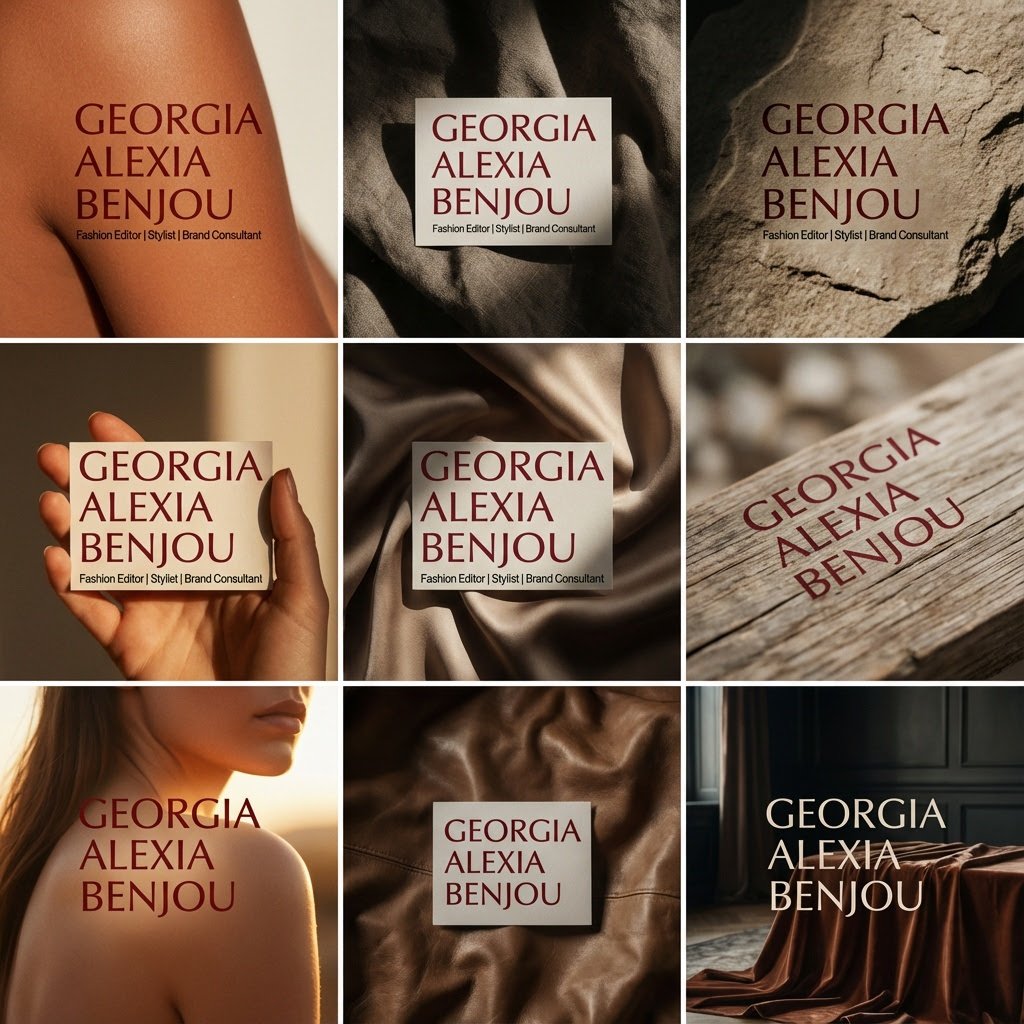
And then in a separate email, I received this one:

While they were clearly meant to "wow" me with the platform’s capabilities and personalization, they did the exact opposite. The visuals they sent felt like they were pulled from a generic 2023 stock photo archive—sterile, soulless, and completely disconnected from my brand's voice and values. These visuals left me feeling that not only did Tolstoy not understand my brand and business, but that they prioritized the speed of AI over the substance of my brand.
This led straight into the second fail: the CTA. Neither the account rep that reached out to me nor the Partnerships Executive that followed up asked me straight out for a meeting—there was literally no CTA. They invited me to "join the AI revolution" with them, completely ignoring that my readers value authenticity over automated volume. It wasn't just a bad pitch; it was a total misunderstanding of my audience.
If I were an account rep at Tolstoy, my outreach email would have briefly introduced the business and its potential, invited the sales target for a private demo and shown the best quality work generated for others in my space. Curating content to apply specifically to my business and its aesthetic would have gone much farther than slapping my name on a bunch of generic images that hold literally no value for me.
So, if you receive an invite for an AI-image platform, be sure to check for the following:
• The Text Test: If there is gibberish on the labels, the brand doesn't care about detail.
• The Vibe Check: Does the image feel like your brand, or just a "shiny" version of it?
• The Human Filter: Never hit "send" on an AI image that a human hasn't vetted for 2026 standards.
• Tip: If you’re using AI tools for your own brand, remember that AI is your intern, not your creative director. Platforms like Midjourney and Adobe Firefly now allow you to upload your own brand photos as "style references." This ensures the AI mimics your actual lighting and color palette rather than defaulting to generic "stock photo" vibes.
This is exactly why I predicted the death of AI slop this year. When a company uses AI to 'personalize' outreach but fails to actually look at the output, it transitions from a productivity tool to a reputation killer. It’s not efficiency; it’s digital litter.